


AI agents have made little headway in placing orders and bookings for customers, with Uber, DoorDash and Airbnb reporting negligible use of the technology despite developing their own AI-powered tools.
Uber’s chief financial officer, Balaji Krishnamurthy, told analysts that AI agents booked just four Uber rides and 500 Uber Eats deliveries during the week of Halloween. That compares with 320 million rides and food deliveries made through the two services combined.
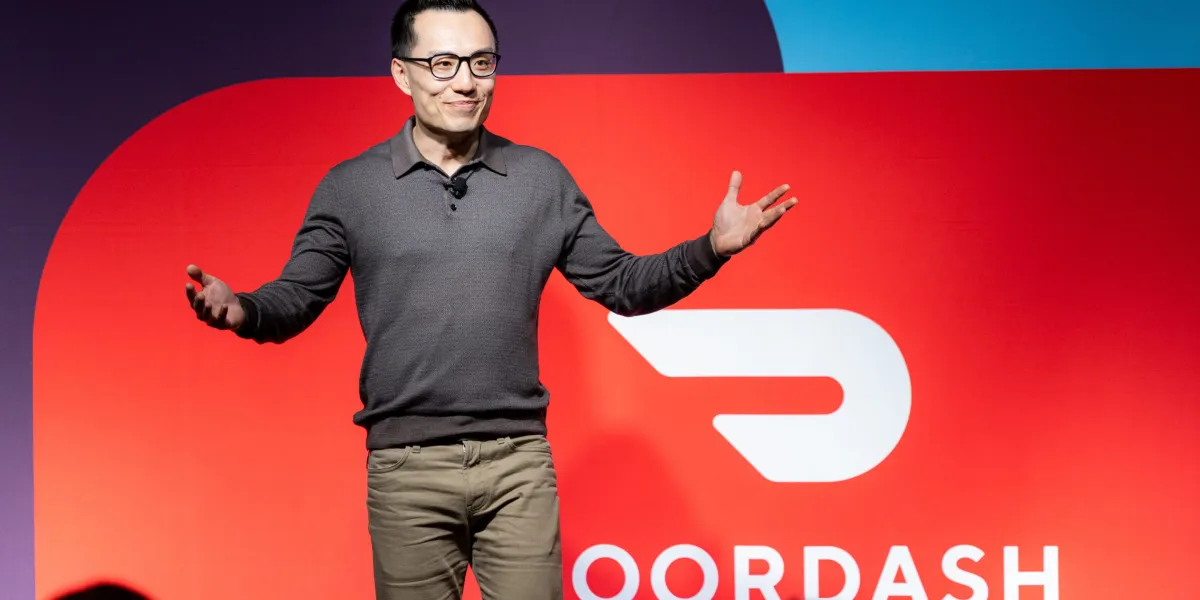
DoorDash chief executive Tony Xu said AI agents had generated “maybe several hundred orders in total across the time that they have been up and running”. The comments came after the launch of Meta’s Muse and OpenAI’s Dots in September.
The limited uptake may reflect the fact that many of the tasks being automated are already relatively straightforward. Matt Maher, chief executive of technology research and development firm M7 Innovations, said AI companies were complicating activities such as booking a restaurant that did not require significant innovation.
“Big Tech companies] bludgeon us with solutions that are desperately looking for problems,” Mr Maher said. “If you really want to nab something immediately, it’s going to be easier if you do it yourself as a human.”
Uber chief executive Dara Khosrowshahi said the median customer could order a car in 50 seconds and an Uber Eats delivery in 90 seconds, making it less likely that they would ask an agent to complete the task.
Airbnb has also seen a “very non-material number” of its bookings made through AI agents, according to chief executive Brian Chesky. He said that figure was small compared with the platform’s nearly half a million daily bookings.
Mr Chesky said travel was different from routine tasks because many customers enjoyed researching and planning their trips. “Discovering where to go and where to stay is part of the experience,” he said. “People want to look at photos, they want to compare homes, they want to make decisions with the people they’re traveling with, and I don’t think the general-purpose agents are the best to do that.”
Trust is another obstacle to the wider use of AI agents in online shopping and bookings. Michael Klein, director of product marketing at customer experience automation platform Talkdesk, said consumers remained uncertain about allowing agents to make decisions for them and wanted greater clarity on how their data would be collected and used.
“Right now, agentic commerce still needs to earn shoppers’ trust and buy-in,” Mr Klein said. “For example, for a shopper to feel comfortable sharing their credit card information with an AI agent, they want to know where, how, and why that information is going to be used.”
Uber, DoorDash and Airbnb develop their own AI tools
The weak demand for third-party AI agents has not stopped the three companies from using artificial intelligence to alter how customers interact with their services.
Uber Eats customers can upload a handwritten grocery list or a screenshot of a recipe through its Cart Assistance feature, which then adds the required products to their basket. Mr Khosrowshahi said baskets created in this way were roughly twice the average size.
DoorDash’s Ask DoorDash tool similarly allows customers to create grocery lists by uploading photographs or describing what they want to eat. Its Text DoorDash service allows orders to be placed by text message rather than through the app.
Airbnb is developing its own AI agent to help customers plan trips and manage reservations, with an initial rollout expected early next year. Mr Chesky said the company ultimately wanted the tool to help guests organise an entire trip in one place.
Uber is also open to working with external AI agents. Mr Khosrowshahi said the company would discuss arrangements with them and viewed the technology as another way to bring customers to its platform.
