


US consumer prices rose faster than expected in October, adding to pressure on the Federal Reserve to raise interest rates at its December meeting and offering little relief to households facing high living costs.
The Consumer Price Index increased by 0.4% month on month, the Labor Department said on Tuesday. Economists polled by FactSet had forecast a rise of 0.3%.
A year-on-year inflation figure was not released because the 2025 government shutdown meant October 2025 consumer price data was unavailable for comparison.
Food and shelter drive October inflation
Although October’s increase was below September’s 0.6% rise, the latest figures pointed to persistent price pressures beyond energy. Shelter costs rose by 0.3% and accounted for more than 30% of the monthly increase in overall prices.
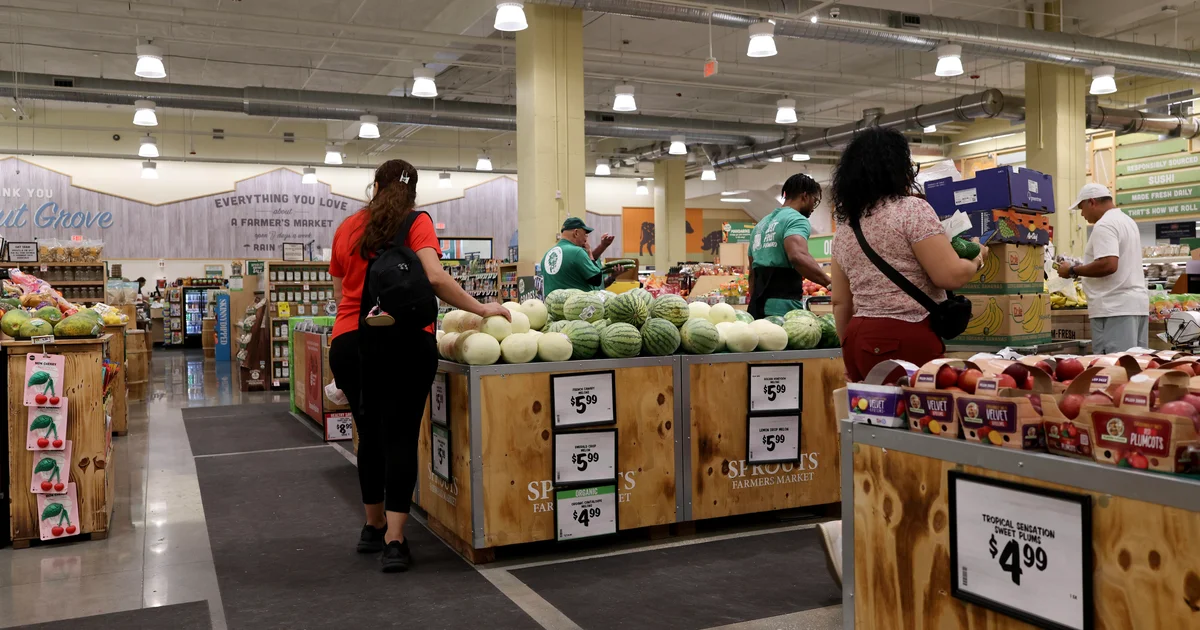
Food prices also accelerated, rising 0.5% after remaining unchanged in September.
Core inflation, which excludes volatile food and energy prices, increased by 0.3% for the third consecutive month. The figure was in line with September but slightly above economists’ expectations.
“Today’s CPI report suggests underlying inflation remains more persistent than the Fed would like,” Andrew Davis, head of investment strategy at Bryn Mawr Trust, said. “While headline inflation moderated from September, core prices rose 0.3% for the third consecutive month, indicating that underlying price pressures have yet to meaningfully ease.”
Energy prices rose by 0.7% in October, a marked slowdown from the 5.2% increase recorded in September. Petrol prices have been falling as stations switch to a cheaper winter blend and people reduce summer travel.
Global oil prices have also dipped amid hopes that the midterm elections could create an opportunity for a deal between the US and Iran to end the war. The national average price of petrol fell below $4 a gallon on Tuesday for the first time in nearly four months, according to AAA.
Federal Reserve rate decision in focus
The latest inflation report is the final CPI reading available to the Federal Reserve before its December meeting. Market expectations indicated an 85% chance of a 0.25 percentage-point rate increase and a 15% chance of a 0.50 percentage-point rise.
“This is the last look at CPI inflation the Fed will get before its December meeting, and it most likely seals the deal on a rate hike to close the year,” James McCann, senior economist for investment strategy at Edward Jones, said.
The Fed remained on the sidelines at its October meeting, although two members of the Federal Open Market Committee voted for an increase.
Christopher Waller, a member of the Fed’s board of governors, said at a conference in London on Tuesday that policymakers should consider a 0.50 percentage-point increase when they meet on 8 and 9 December.
“Hiking only 25 basis points would put our credibility at risk, a risk I am not eager to take,” he said.
Josh Hirt, senior US economist at Vanguard, said elevated energy costs had created a “longer-lasting shock pass-through” to core inflation. Vanguard has raised its year-end 2026 core inflation forecast to 3.2%.
